
Padilla Bay Prescribed Burn: Oct. 6th, 2026
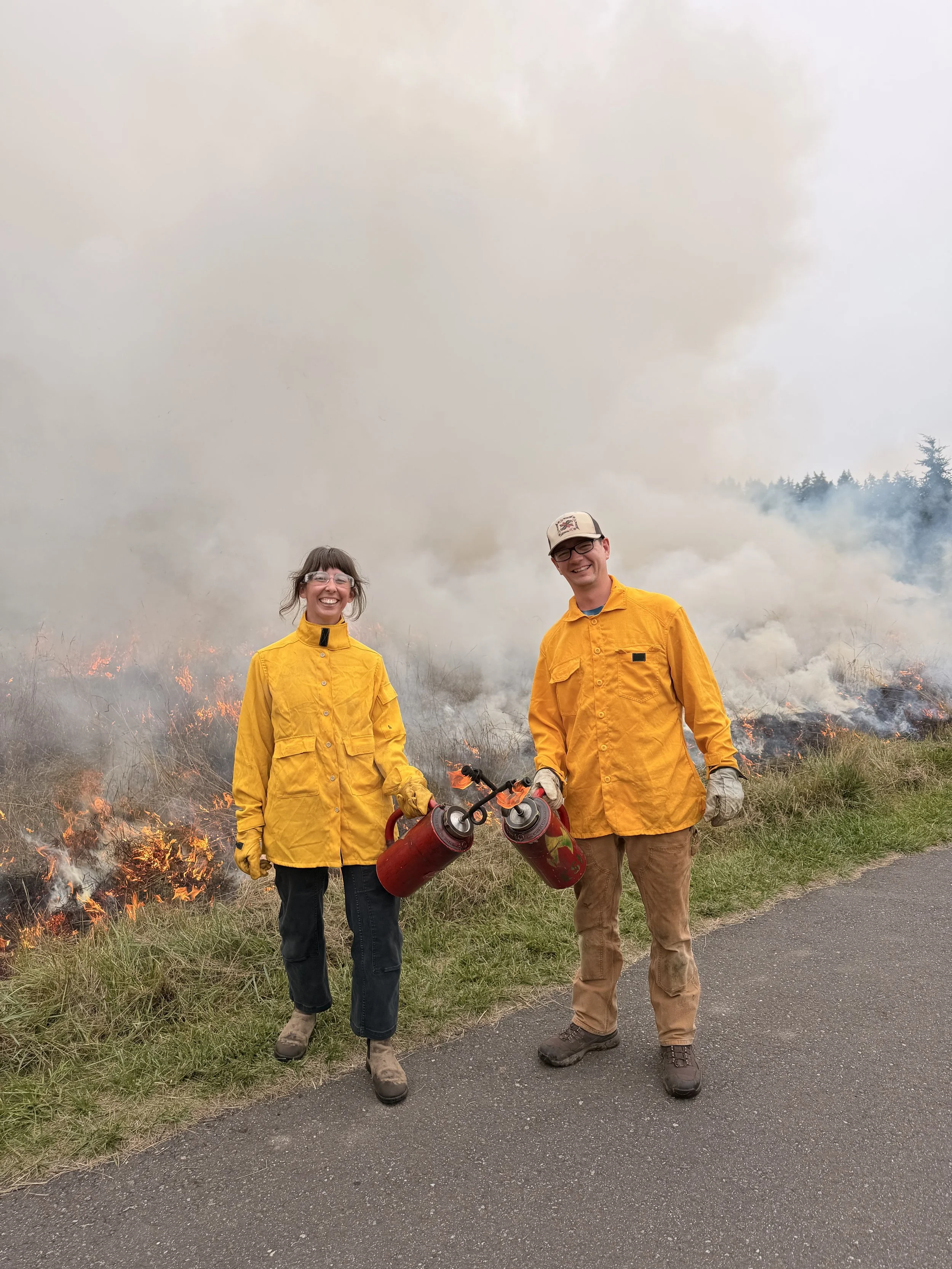
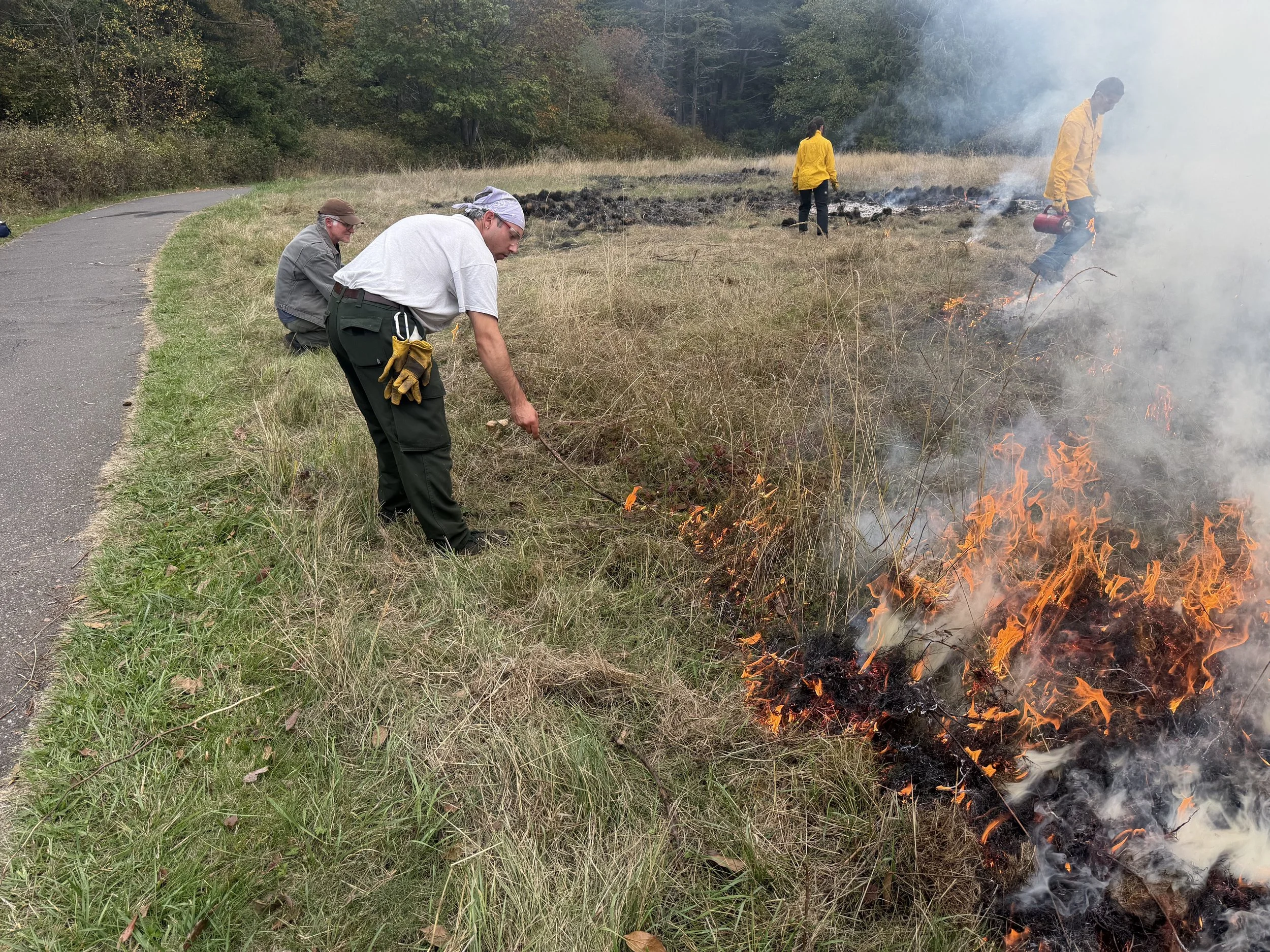
Fun in the Su-… Smoke?!
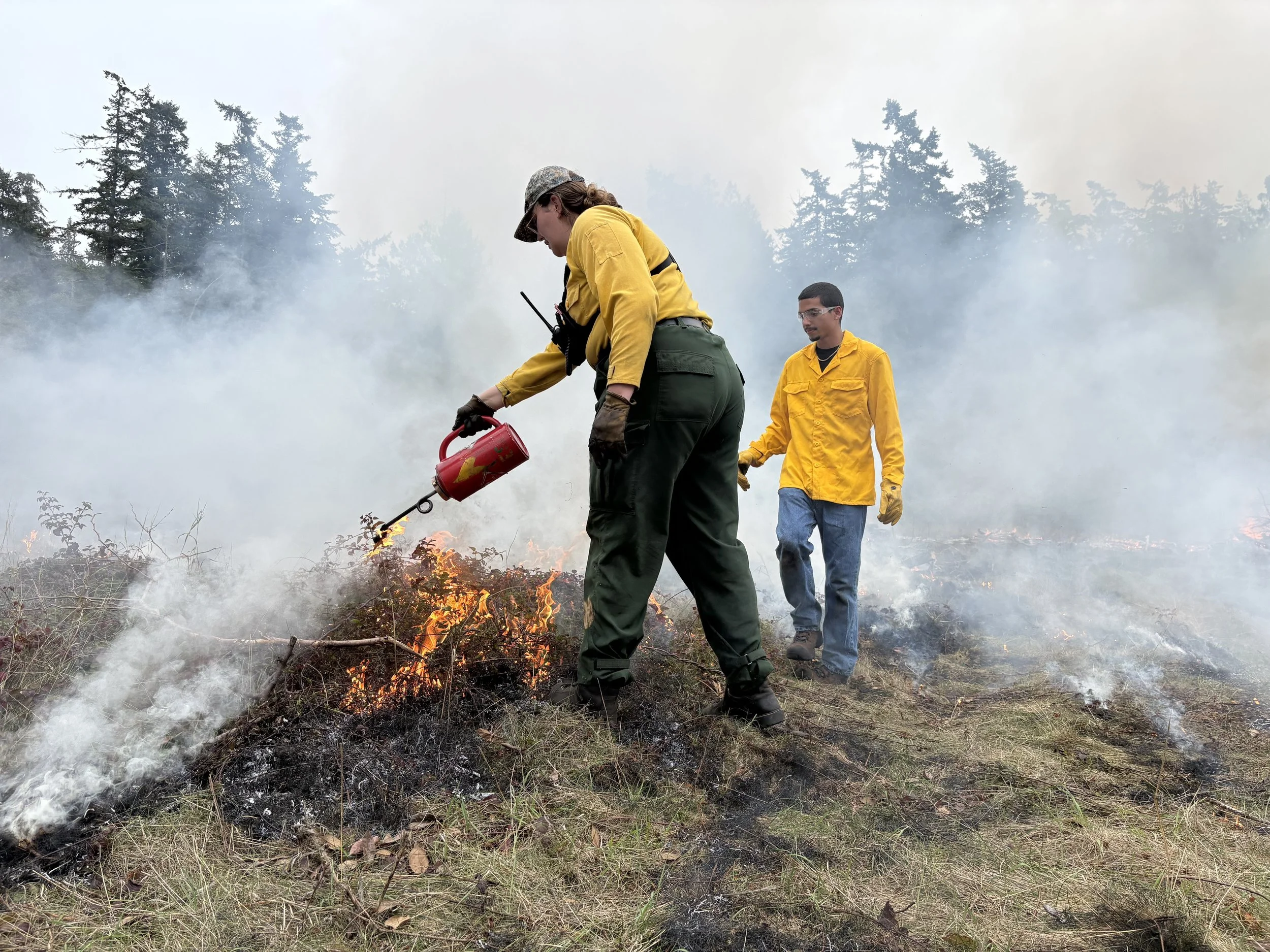
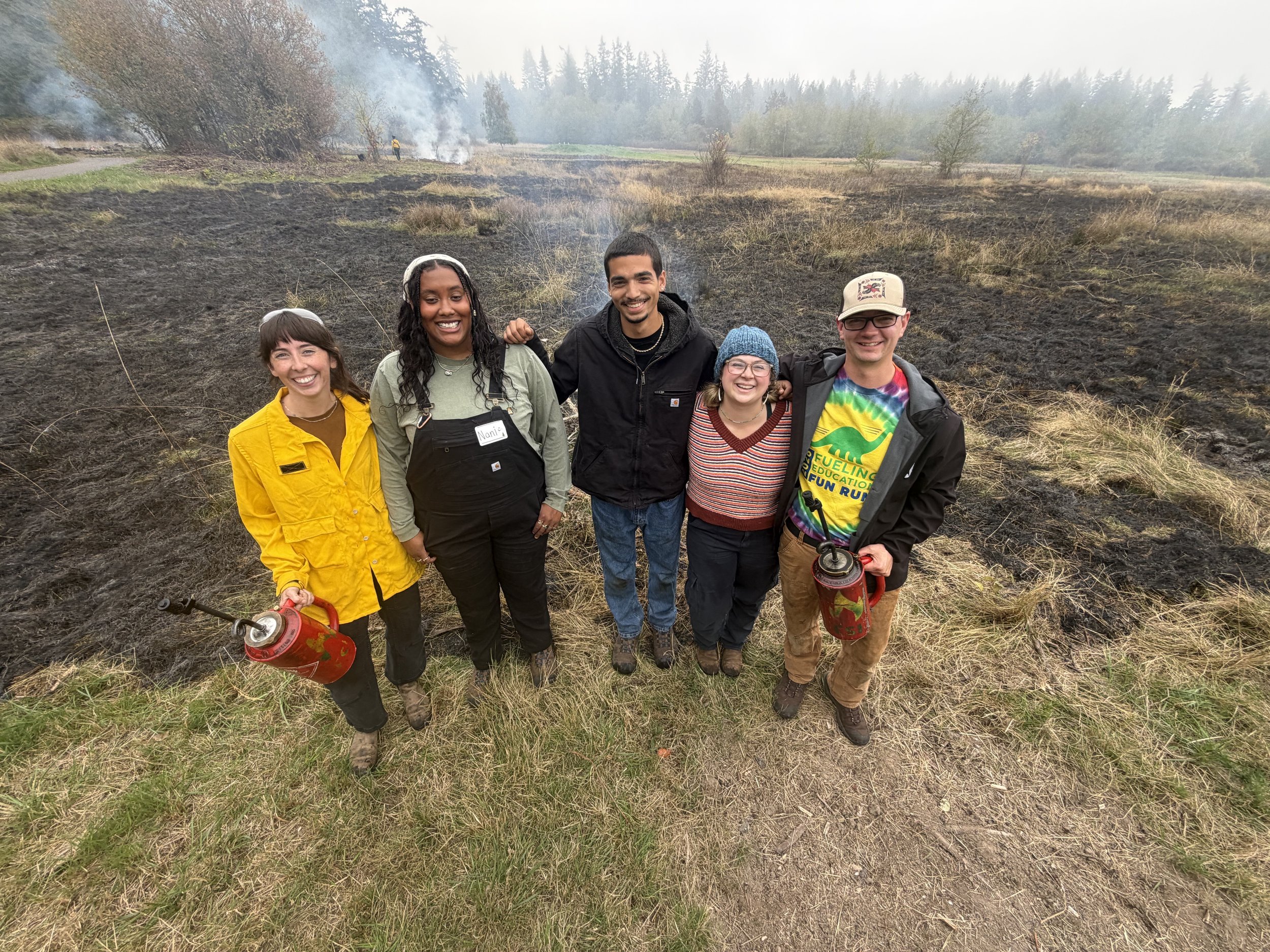
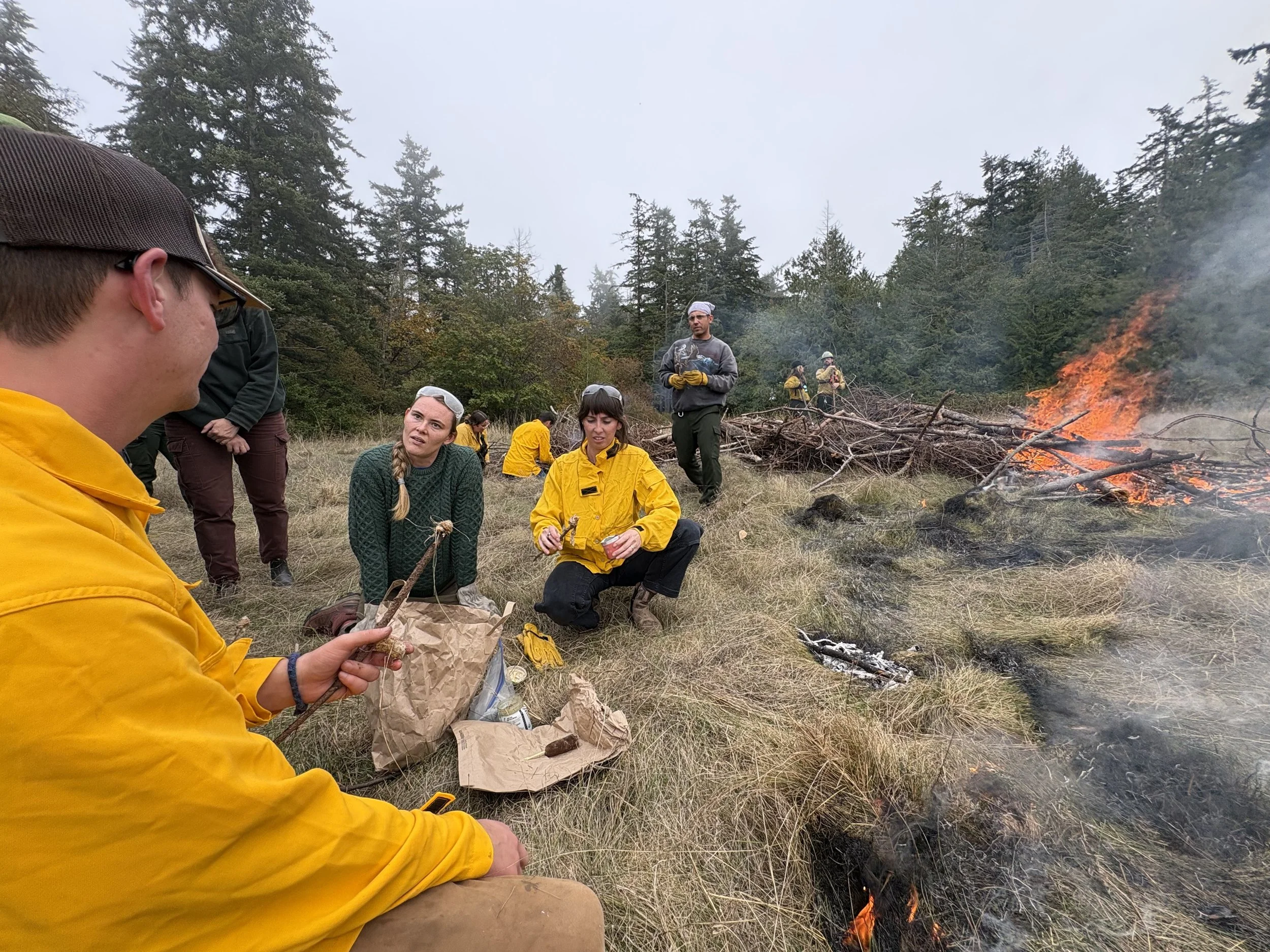
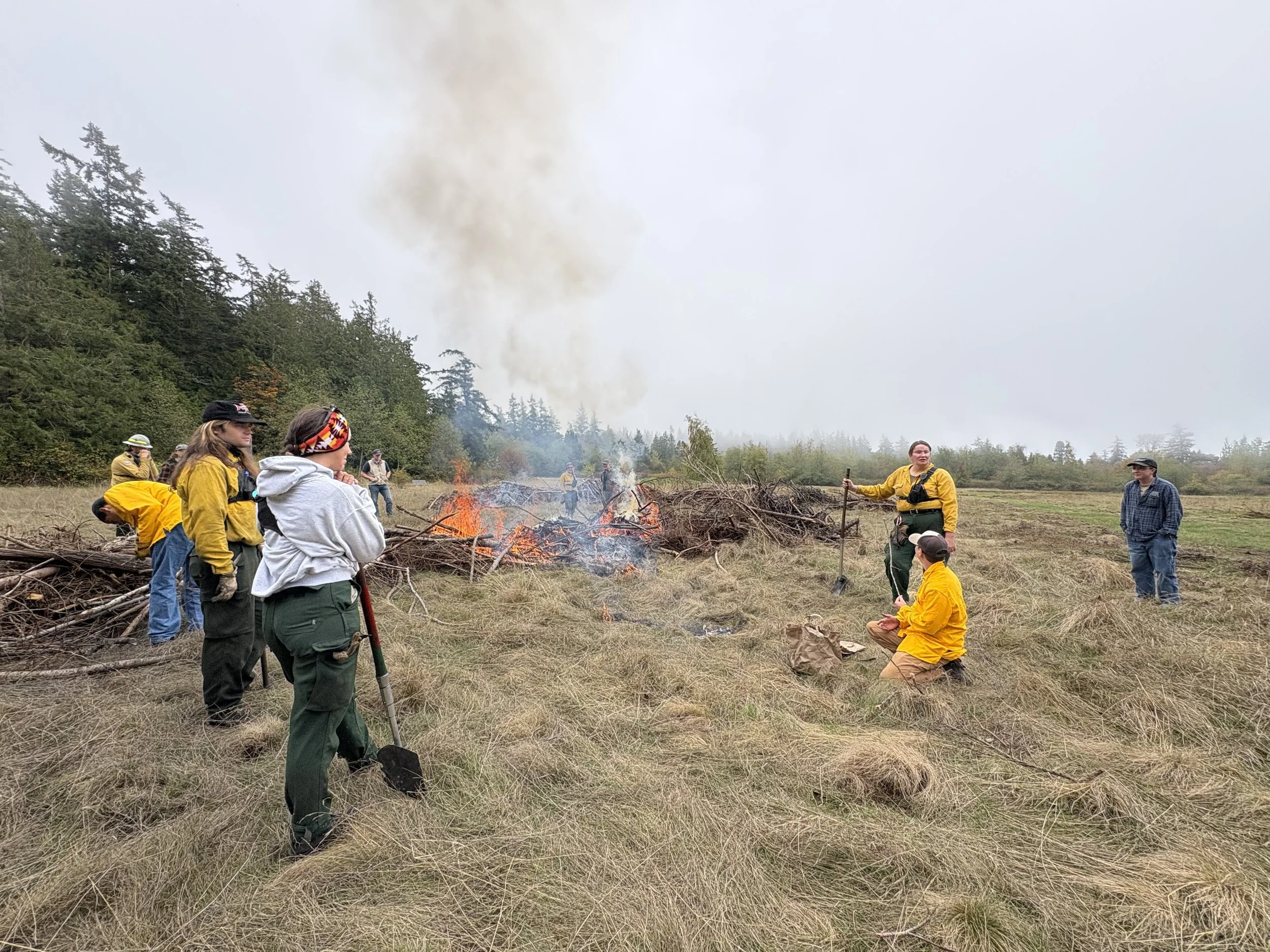
Yes, you read that correctly! CSYC was grateful to take part in a prescribed burn a few weeks ago with Padilla Bay National Estuarine Research Reserve and Ecostudies Institute.
What emotions come up when you first see these pictures? Maybe fear or anxiety? Don’t worry, that’s normal given how our society frames fire. But prescribed burns are COMPLETELY different from wildfires, and they actually help ecosystems become more resilient to them.
Contrary to what we’re often shown, fire is a natural and important part of landscapes, and many species need it to survive! Humans around the world have used prescribed burns since time immemorial to steward prairies, forests, and other ecosystems.
The Western framing of fire begins with colonization. Alongside the forced removal and relocation of Indigenous communities, the removal and demonization of fire became another way to suppress Indigenous cultural practices and relationships to land. Fast forward to today: after roughly 50-100 years of fire suppression, many forests and prairies are suffering. In many places, forests and prairies are overcrowded and unhealthy, and combined with the changing weather and temperature patterns of climate change, that creates the perfect conditions for devastating wildfires.
Wildfires burn hot and fast, while prescribed burns burn low and slow. These low-intensity burns are meticulously planned, monitored, and managed. Fire managers spend a huge amount of time preparing the landscape and tracking weather conditions, and burns happen only when conditions are right.
For this burn, our friends at Ecostudies Institute took the lead. These burn experts have spent their careers learning to work with fire safely and to return these traditional practices to the land and its communities in a good way. Prescribed burns support seed production and flowering of many traditional foods, promote a healthy soil microbiome, increase biodiversity, manage non-native species, and reduce wildfire risk.
Thank you to our dedicated and knowledgeable partners at Ecostudies Institute, Padilla Bay Research Reserve, and Samish Indian Nation DNR.